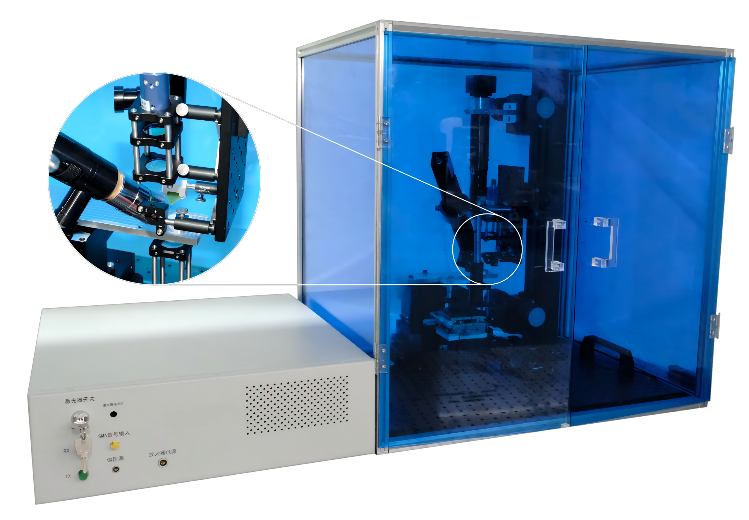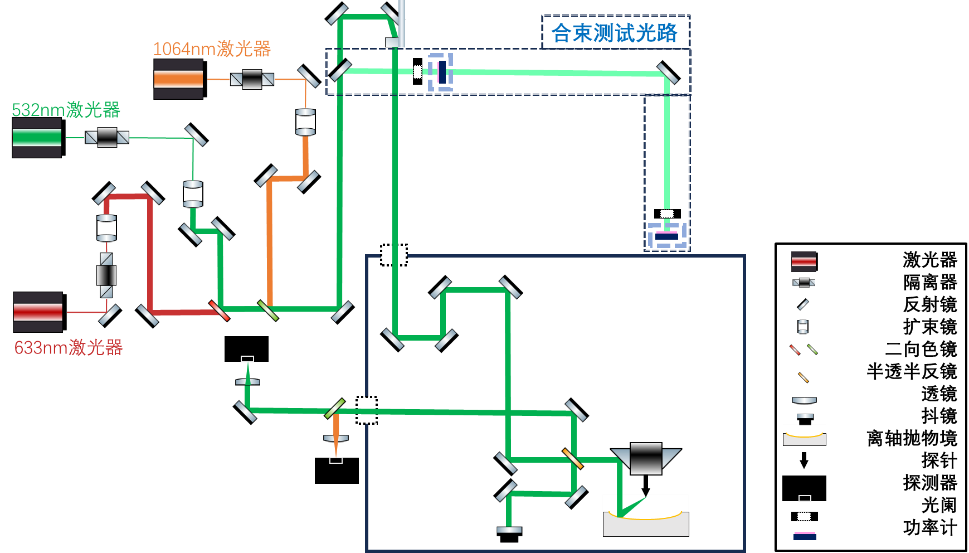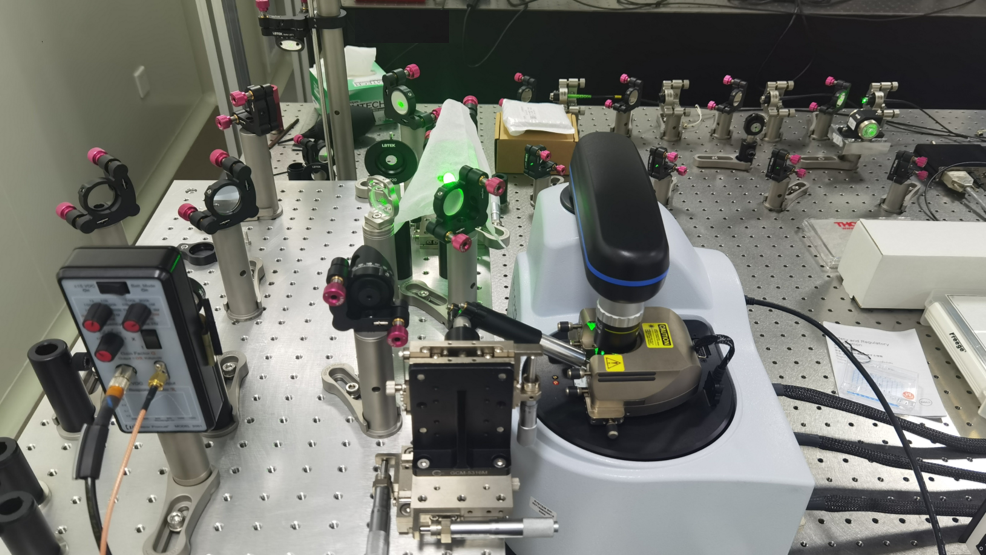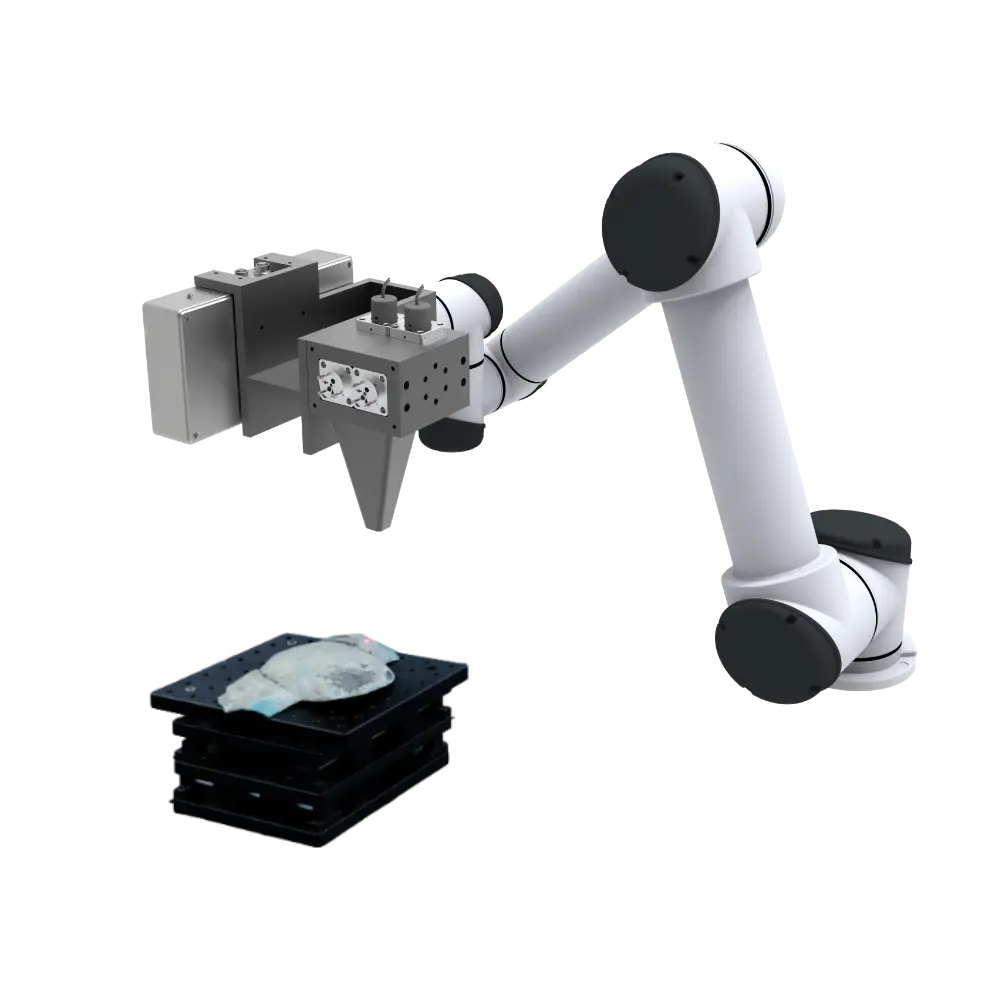
Cultural relics are treasures of human history and culture — precious, non-renewable and irreplaceable resources. Their conservation and restoration therefore demand the utmost care: before any intervention, the condition and damage of a relic must be examined thoroughly and precisely, and the inspection itself must not cause any secondary harm. For this reason, fully non-destructive techniques for detecting, authenticating and protecting historical relics have long been a focus of exploration and development in the field of cultural heritage conservation.
Existing inspection techniques cannot fully meet these requirements:
- Ultraviolet, Raman and infrared spectroscopy use short wavelengths with poor penetration, so they can only analyze the surface of an object
- X-ray imaging has limited depth resolution and high photon energy
- Microwave techniques have poor lateral resolution
- Ultrasonic testing imposes many requirements on the shape and material of the object under test
Terahertz (THz) waves are electromagnetic waves with frequencies between 0.1 and 10 THz. Sitting between millimeter waves and infrared light in the electromagnetic spectrum, they offer many excellent properties that other frequency bands do not. This gives them enormous potential for the non-destructive testing (NDT) of cultural relics.
Terahertz waves can analyze the composition of materials through their coherence and spectral resolution, and can also penetrate the surface of relics to image their shape and internal structure — effectively compensating for the shortcomings of other inspection bands and providing a versatile toolbox for heritage conservation.
Terahertz non-destructive testing is a technique that uses terahertz waves to inspect, analyze and evaluate materials, components or systems, obtaining internal information without damaging the object under test.
A detailed introduction to terahertz non-destructive testing follows:
1. Principle
Terahertz waves are electromagnetic waves with frequencies between 0.1 and 10 THz, lying between microwaves and infrared light. They penetrate many dielectric and non-polar materials well, and interact with molecular vibrations and rotations within the material.
When defects exist inside a material, the reflection, refraction and scattering characteristics of terahertz waves change. By detecting these changes, the internal structure and defects of the material can be identified.
2. System Components
- Terahertz sources: such as terahertz quantum cascade lasers and photoconductive antennas, used to generate terahertz waves.
- Detectors: such as pyroelectric detectors and Schottky diode detectors, which receive the terahertz signals after interaction with the material.
- Signal processing system: amplifies, filters and analyzes the received signals to extract useful information.
3. Advantages
- Wide range of materials: suitable for non-destructive testing of plastics, ceramics, composites, electronic chip packaging materials, pharmaceutical packaging materials and more.
- High sensitivity: highly sensitive to tiny internal delaminations, voids and cracks, revealing defects that traditional methods can hardly detect.
- High safety: terahertz waves are low-energy and non-ionizing, causing essentially no harm to tested materials or the human body, making the process relatively safe.
- Rich material information: provides information on internal dielectric properties, helping researchers understand materials more deeply and supporting further research and application.
4. Applications
- Electronics: detecting internal defects in chip packaging materials to ensure the quality and reliability of electronic devices.
- Packaging: integrity inspection of pharmaceutical and food packaging, and analysis of the internal structure and composition of packaging materials.
- Biomedicine: detecting pathological changes in biological tissue, analyzing drug composition, and studying the structure and interactions of biomolecules and cells.
- Aerospace: detecting internal defects and evaluating the quality of non-metallic materials such as aerospace composites and thermal insulation materials, ensuring the reliability of spacecraft and payloads.
- Cultural heritage: non-destructive analysis, structural identification and dating of ancient relics and artworks.